
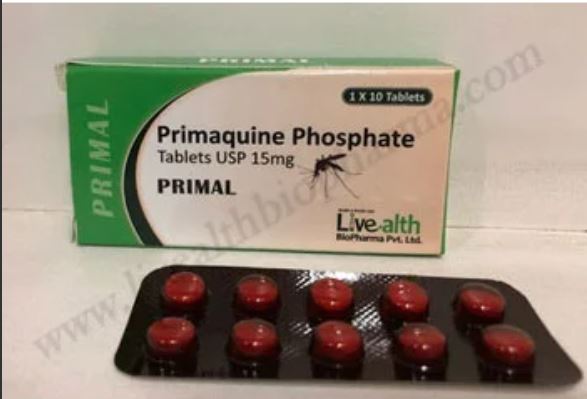
Primaquine Phosphate Tablets USP 15 mg / 7.5mg Chad are antimalarial medicines used under the guidance of qualified healthcare professionals. In regions where malaria remains an important public health concern, access to appropriate diagnosis and prescribed treatment is essential. Primaquine Phosphate Tablets USP, including Primaquine Phosphate Tablets USP 15 mg and 7.5 mg strengths, may be prescribed as part of a malaria treatment plan depending on the type of malaria, patient factors, and local clinical guidance.
This article provides general information about Primaquine Phosphate Tablets, their role in malaria management, and important safety considerations. Patients should always use prescription medicines according to the advice of a qualified doctor or healthcare professional.
Understanding Primaquine Phosphate Tablets USP
Primaquine Phosphate Tablets USP contain primaquine phosphate, an antimalarial medicine. Primaquine has an important role in the treatment and prevention of relapse of certain malaria infections when used appropriately as part of a complete treatment plan.
Malaria is caused by parasites transmitted through the bites of infected mosquitoes. Different malaria parasites and different stages of infection may require different medicines. For this reason, proper medical evaluation and testing are important before beginning treatment.
A healthcare professional may determine whether Primaquine Phosphate Tablets USP 15 mg / 7.5mg Chad are suitable based on factors such as:
- The type of malaria parasite identified
- The patient’s age and body weight
- Previous medical history
- Other medicines being taken
- Results of required medical tests
- Pregnancy or breastfeeding status
- National and local malaria treatment guidance
Self-diagnosis and self-medication can be risky. Suspected malaria should be evaluated by a qualified healthcare professional whenever possible.
Primaquine Phosphate Tablets USP 15 mg and 7.5 mg Strengths
Different strengths of Primaquine Phosphate Tablets, including 15 mg and 7.5 mg formulations, may be available for use according to prescribing requirements. The correct strength and duration of treatment should be determined by a healthcare professional.
It is important not to assume that one tablet strength can automatically be substituted for another. The prescribed dose may depend on the individual patient and the treatment purpose. Patients should carefully follow the instructions provided by their doctor and pharmacist.
For individuals seeking information about Primaquine Phosphate Tablets USP 15 mg, product quality and correct labeling are also important considerations. Medicines should be obtained through legitimate and properly regulated healthcare or pharmaceutical supply channels where applicable.
Role in Malaria Treatment
Primaquine may be used for specific purposes in malaria management, particularly where treatment is intended to address certain stages of susceptible malaria parasites. In some situations, it may be used together with other antimalarial medicines as determined by a healthcare professional.
However, Primaquine Phosphate Tablets USP are not suitable for every person with malaria, and the medicine should not be selected without proper medical assessment. The choice of antimalarial therapy can depend on the malaria species, geographic location, resistance patterns, severity of illness, and individual patient characteristics.
In Chad and other malaria-endemic settings, treatment decisions should follow current recommendations from qualified health authorities and medical professionals. Anyone experiencing symptoms that may be associated with malaria should seek prompt medical attention.
Important Safety Considerations
One of the most important considerations before taking primaquine is the risk of serious blood-related adverse effects in people with G6PD deficiency. Healthcare professionals may require appropriate testing before prescribing primaquine because the medicine can cause significant hemolysis in susceptible individuals.
Patients should inform their doctor about their complete medical history before using Primaquine Phosphate Tablets USP 15 mg / 7.5mg. This includes previous reactions to medicines, blood disorders, enzyme deficiencies, kidney or liver problems, and all current medications.
Extra caution may also be necessary in certain patient groups. Primaquine may not be appropriate during pregnancy, and specific considerations may apply to breastfeeding. Healthcare professionals can evaluate individual circumstances and recommend suitable treatment options.
Seek urgent medical attention if serious or unusual symptoms occur during treatment. Patients should not ignore symptoms such as severe weakness, unusual tiredness, shortness of breath, dark urine, or other concerning changes.
How to Use Primaquine Phosphate Tablets
Primaquine Phosphate Tablets should only be taken exactly as prescribed. The dosage schedule may vary depending on the clinical purpose, the patient’s characteristics, and the treatment regimen selected by the healthcare professional.
General medicine safety practices include:
- Take the medicine only according to the prescribed instructions.
- Do not change the dose without medical advice.
- Do not share prescription medicines with another person.
- Inform the doctor about all other medicines being used.
- Complete any required tests before and during treatment.
- Store the medicine according to the product label and pharmacist’s instructions.
- Keep medicines out of reach of children.
If a dose is missed or vomiting occurs after taking a dose, patients should contact a healthcare professional or pharmacist for appropriate advice rather than taking an extra dose without guidance.
Choosing Quality Pharmaceutical Products
For buyers, healthcare providers, and pharmaceutical distributors looking for Primaquine Phosphate Tablets USP, quality assurance and proper documentation are essential. Products should be sourced through legitimate manufacturers and authorized pharmaceutical supply channels.
Important considerations may include proper packaging, clear labeling, batch information, expiry dates, storage requirements, and applicable quality standards. Healthcare institutions and distributors should also follow relevant national pharmaceutical regulations and procurement requirements.
When searching for Primaquine Phosphate Tablets USP 15 mg / 7.5mg Chad, it is essential to ensure that all product supply and distribution activities comply with applicable laws, regulations, and healthcare requirements.
Conclusion
Primaquine Phosphate Tablets USP 15 mg, Primaquine Phosphate Tablets USP, and Primaquine Phosphate Tablets can play an important role in specific malaria treatment strategies when prescribed appropriately. However, proper diagnosis, professional medical supervision, and necessary safety testing are essential before treatment.
For patients and healthcare providers in Chad, the appropriate use of Primaquine Phosphate Tablets USP 15 mg / 7.5mg Chad should always be based on qualified medical advice and current treatment guidance. Never start, stop, or adjust primaquine treatment without consulting a licensed healthcare professional.